

Why menopause can make underwear suddenly feel uncomfortable
If underwear has started to feel irritating, hot, tight or just… wrong, you're not imagining it. Hormonal change can make skin more reactive and fabrics more noticeable.
Soft. Breathable. Gentle on changing skin.
This page is for you if…
Your body has changed and what sits closest to your skin matters more now.
Your underwear suddenly feels uncomfortable
Your skin feels more sensitive than it used to
Hot flushes or night sweats are affecting comfort
You're rethinking comfort during menopause or recovery
Your body has changed and fabric feels different now
As oestrogen levels decline, skin can become thinner, drier, less elastic and more reactive to friction and heat. That means fabrics that once felt fine can suddenly feel itchy, sweaty, abrasive or suffocating.
- Thinner skin
- Drier skin
- Less elasticity
- More reactivity to heat and friction
What once felt invisible can suddenly feel overwhelming.
Why heat and moisture suddenly matter more
Hot flushes and night sweats do not just disrupt sleep, they change how underwear feels against your body. When temperature fluctuates, breathability matters more, moisture matters more, and tight elastic can start to feel restrictive.
- Breathability becomes essential
- Moisture becomes harder to ignore
- Tight, non-breathable fabrics can amplify discomfort
When comfort changes, fabric matters
Small changes in what sits closest to your skin can make a noticeable difference over the course of a day, or a night.
Seaweed + Eucalyptus
- Soft on sensitive skin
- Breathable, fresh-feeling comfort
- Designed for changing comfort needs
Conventional Fabrics
- Can retain heat and moisture
- Can feel harsher against reactive skin
- Often designed for stretch or cost, not comfort
Alexander Clementine underwear is made with seaweed + eucalyptus fibres, chosen for softness, breathability and everyday ease.
Why ordinary underwear can suddenly feel wrong
Much of the underwear industry still relies heavily on polyester and nylon blends. These materials tend to retain heat, reduce airflow, hold moisture close to the skin and increase friction; a combination that can contribute to irritation, sensitivity, discomfort and disturbed sleep during menopause.
Fabric choice becomes less about preference, and more about physiology.
Alexander Clementine is designed for softness, breathability and everyday ease
These are the pieces women come to when familiar underwear no longer feels good enough.
- Tops
- Bottoms


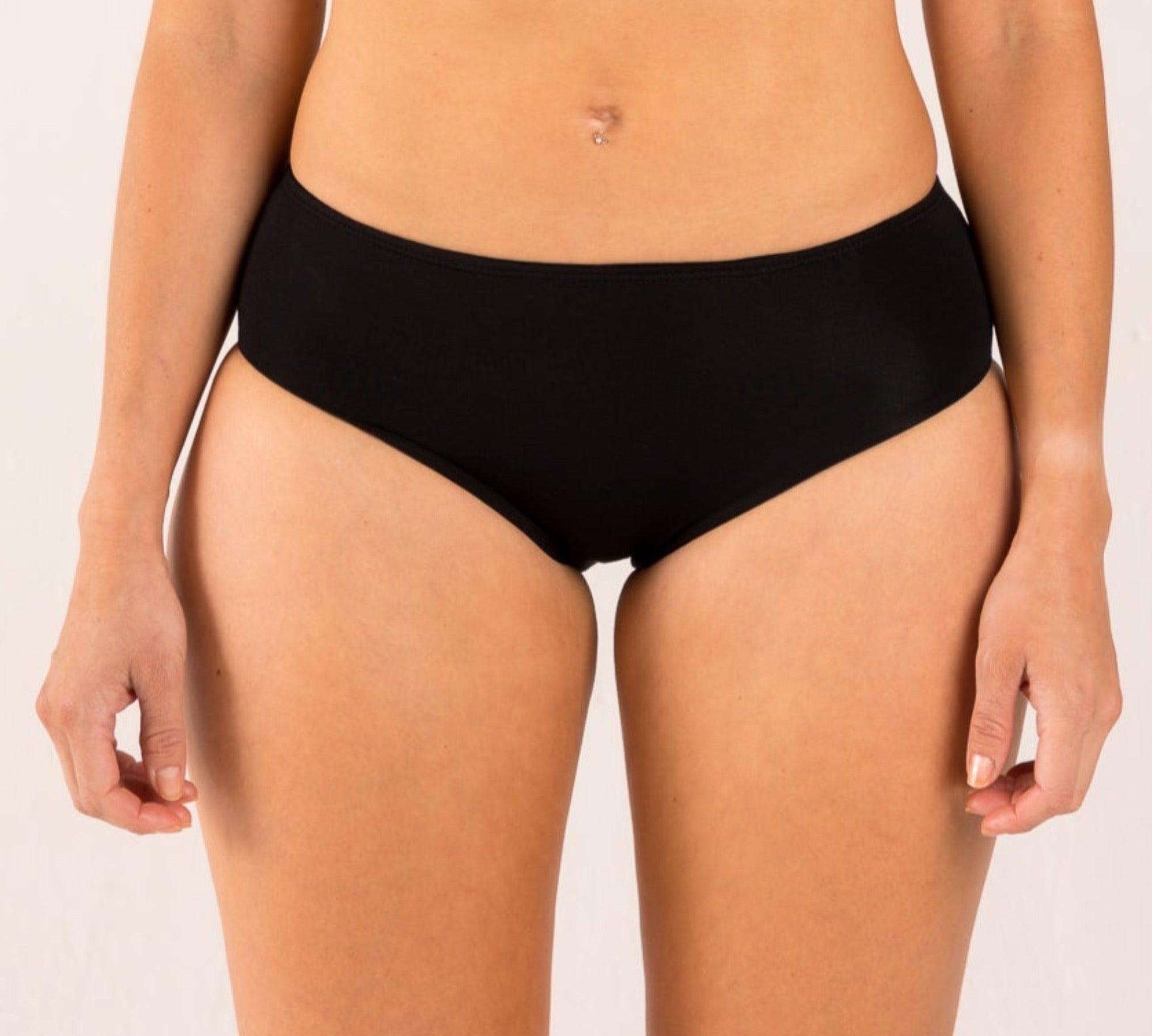
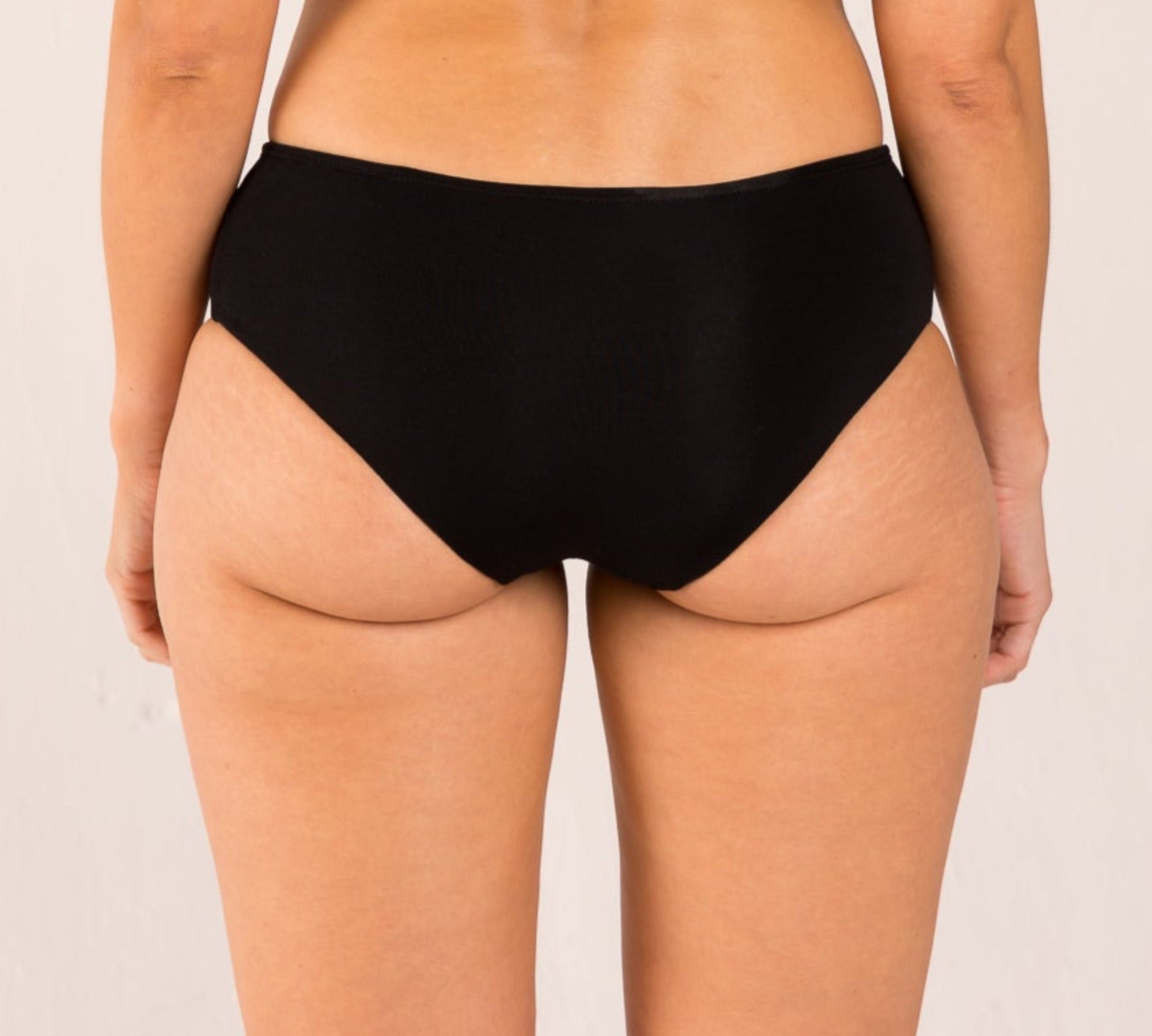
Size Guide
| Our Size | XS | S | M | L | XL | XXL |
| Dress Size | 6-8 | 8-10 | 10-12 | 12-16 | 14-16 | 16-18 |
| Our Size | XS | S | M | L | XL | XXL |
| Dress Size | 6-8 | 8-10 | 10-12 | 12-16 | 16-18 | 20-22 |
Why women switch

Why Alexander Clementine began
It did not begin with menopause. It began with the founder's mum during breast cancer recovery, when soft, breathable, gentle underwear was the only thing she could tolerate near healing skin. That led to a bigger question: why is so much women's underwear designed around appearance rather than sensitivity and comfort? The result was Alexander Clementine — thoughtfully designed underwear for women whose comfort needs are changing.
Common questions
Is it normal for underwear to suddenly feel uncomfortable during menopause?
Yes. Hormonal shifts can affect skin thickness, hydration and sensitivity, which can make familiar fabrics feel very different.
What fabrics feel better during menopause?
Breathable, moisture-regulating and low-friction materials tend to feel significantly more comfortable. Like Alexander Clementine's seaweed and eucalyptus fabric.
Can fabric choice really affect irritation?
Yes. Heat retention and friction both play a role in skin sensitivity, especially when skin is more reactive than it used to be.
Is this only for menopause?
No. Alexander Clementine is designed for women seeking softer, more breathable comfort — including during menopause, recovery, or any time familiar underwear stops feeling right.

SHOP BEST SELLERS
If your body is changing, your underwear should change too
Discover comfort designed for this stage of life; soft, breathable and thoughtfully made.

Still exploring what feels right?
Join our community
Get thoughtful insights on menopause, recovery and comfort. Plus early access to new pieces.